


Blog

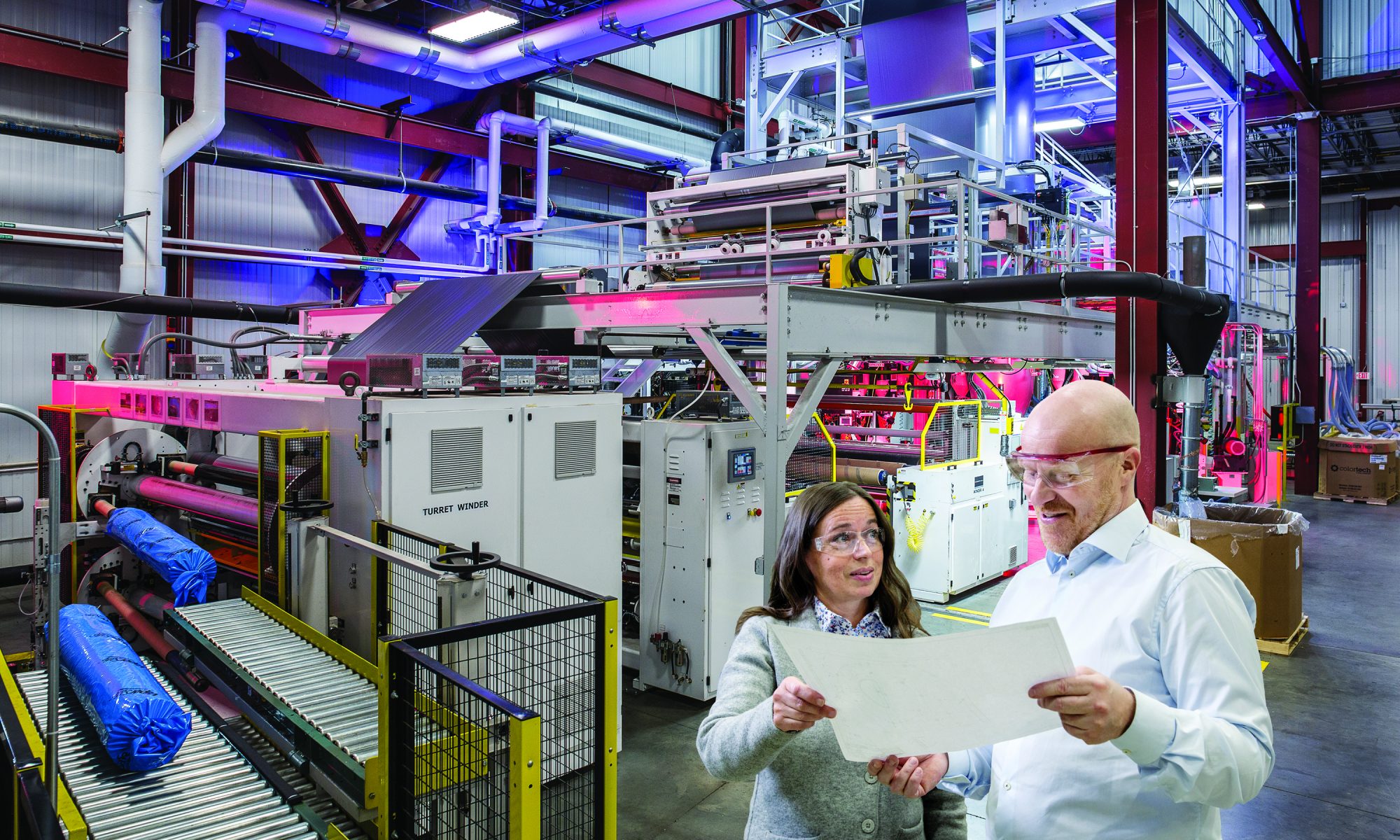
A healthy dose of safety training is a good way to prevent accidents while improving operational efficiency. Our EHS (Environmental, Health, and Safety) team has created the following tips to support a strategic approach to safety training.
Read More >
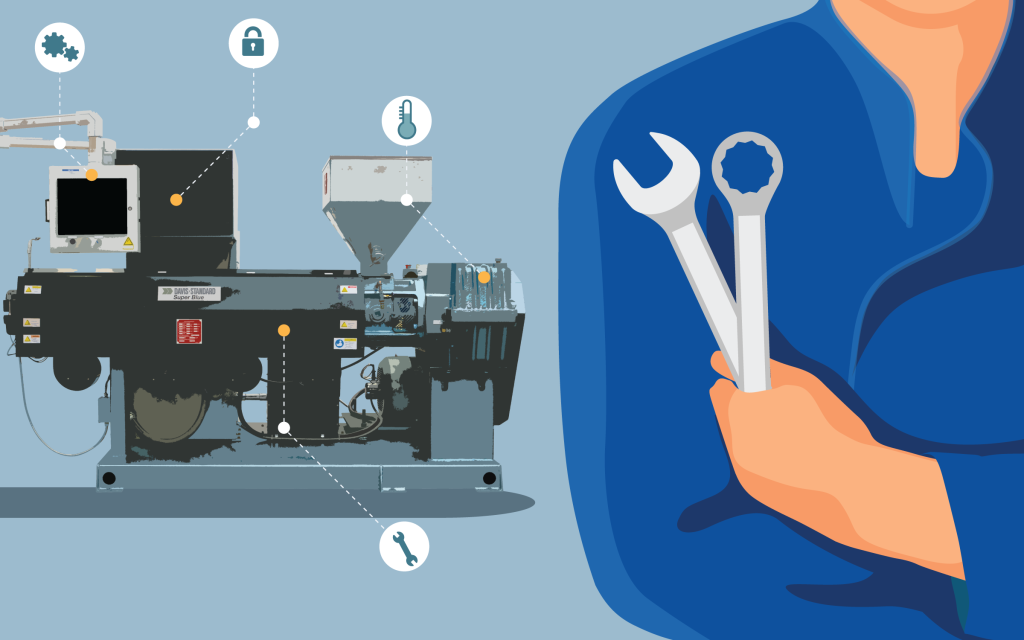
In this blog, we delve into maintenance by focusing on the extruder. Our team has put together their top 10 tips for keeping your extruder in top condition.
Read More >
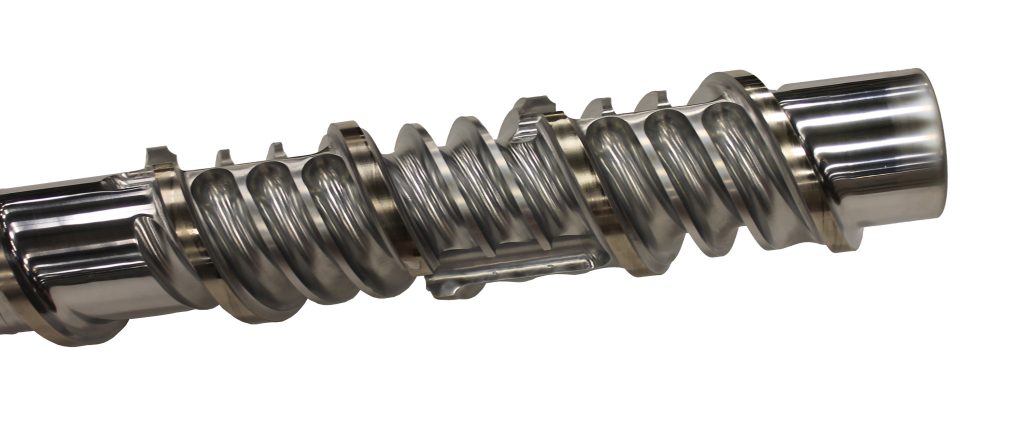
Expanding on the feedscrew longevity series we did back in 2019, this blog provides basic wear guidelines to assist you in knowing when to rebuild or replace your feedscrew
Read More >
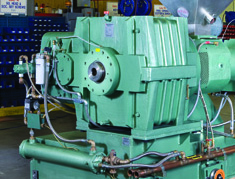
Selecting the right lubricant for your gear reducer is important to long-term operational success. In this final blog post of the series, we’ll provide guidance on oil selection.
Read More >
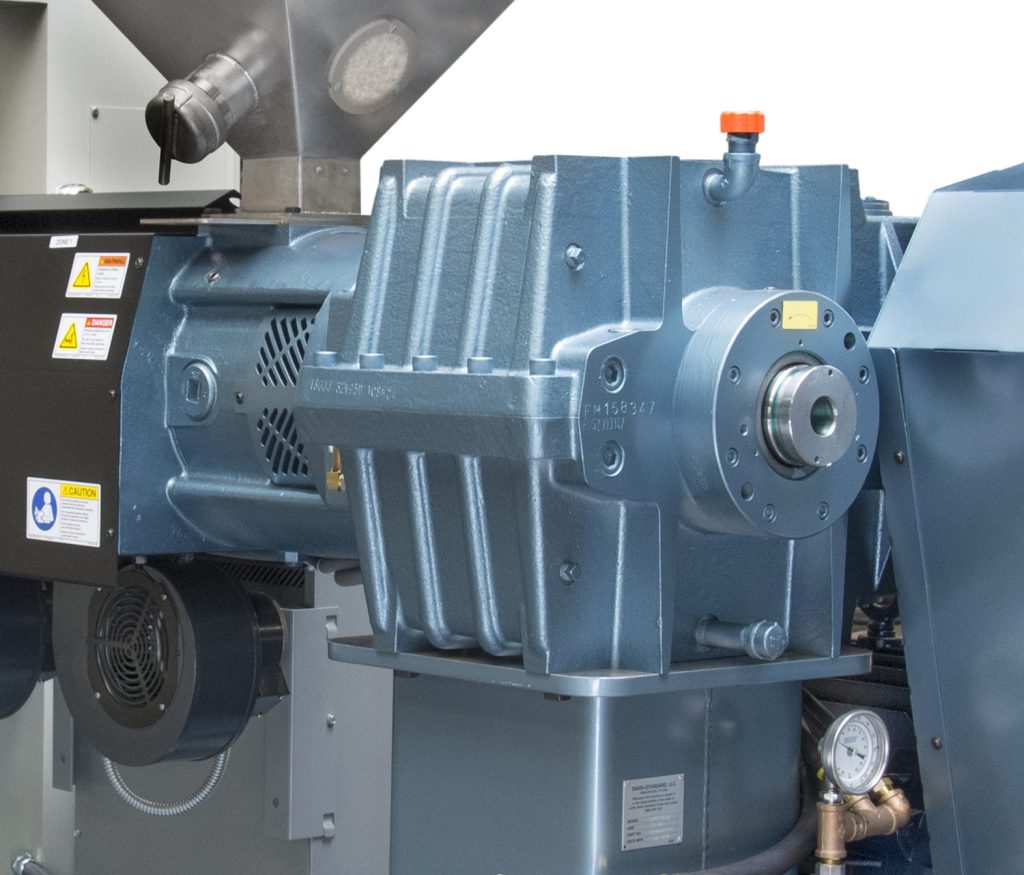
    In the first blog of this series, we outlined oil change intervals. In this blog, we move on to the next step, flushing the gear reducer. Flushing is a clean-fluid circulation process that removes water, chemical contaminants, air, and particulate matter. Keep your gear reducer for the long-hall with these methods....
Read More >
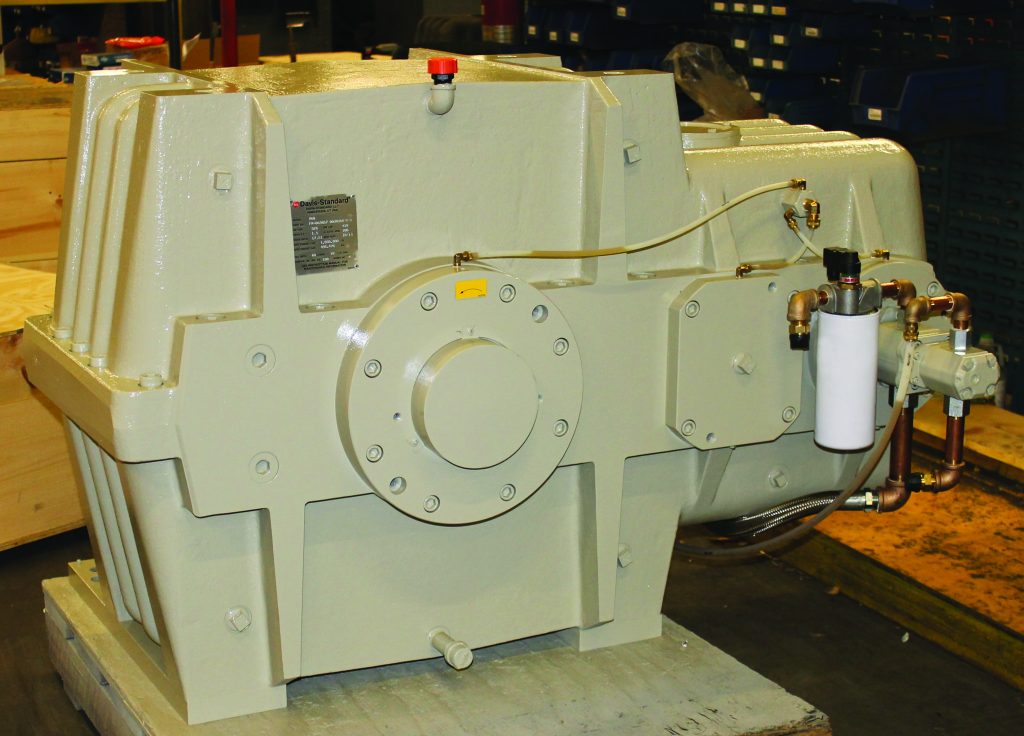
Oil changes! Do we need to say more to convince you how important this regular maintenance task is for your productivity and equipment longevity? Take a look at what we recommend for your gear reducers. Including reducers with and without filtration.
Read More >
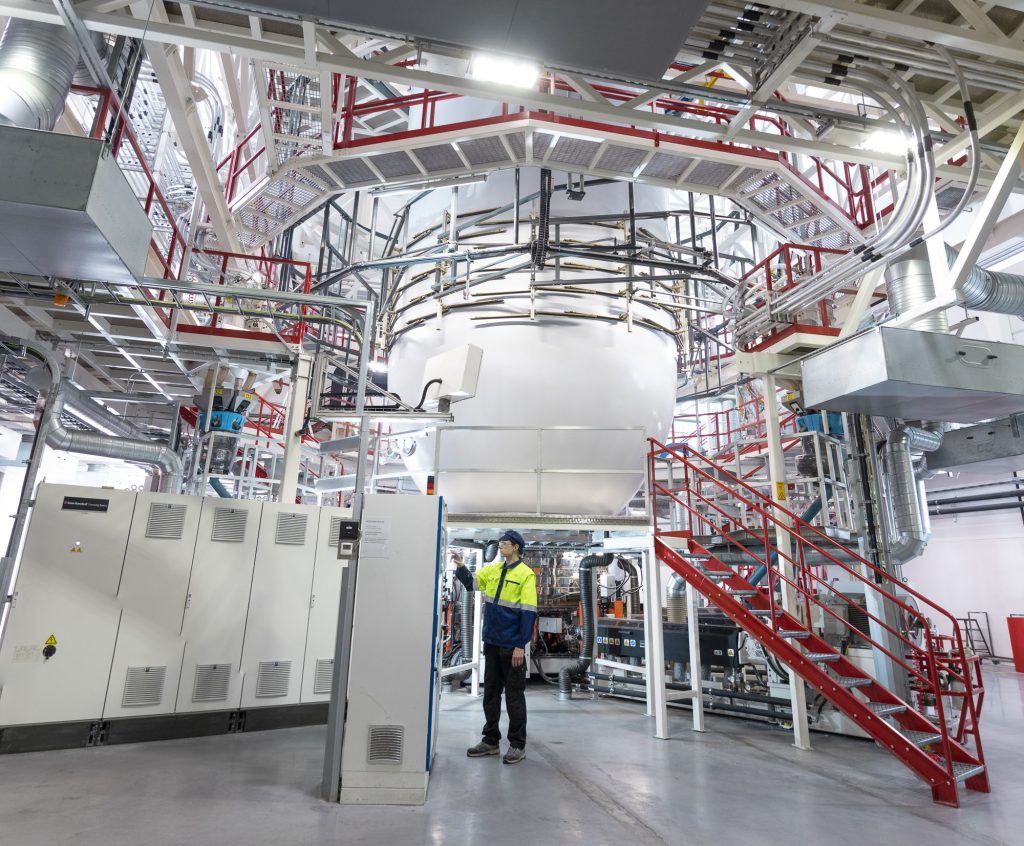
When it comes to the right surface coating for your blown film die, cost and performance can make or break your bottom line. Check out this blog where we review coating options for extrusion spiral dies beyond traditional chrome plating.
Read More >

Do you know if your underwater pelletizer is providing you with the desired pellet quality and output? It is not uncommon for many to assume all is well, only to realize that die plate performance is not up to par. The good news is, checking is easy. Check out this blog to learn how you can maximize performance.
Read More >
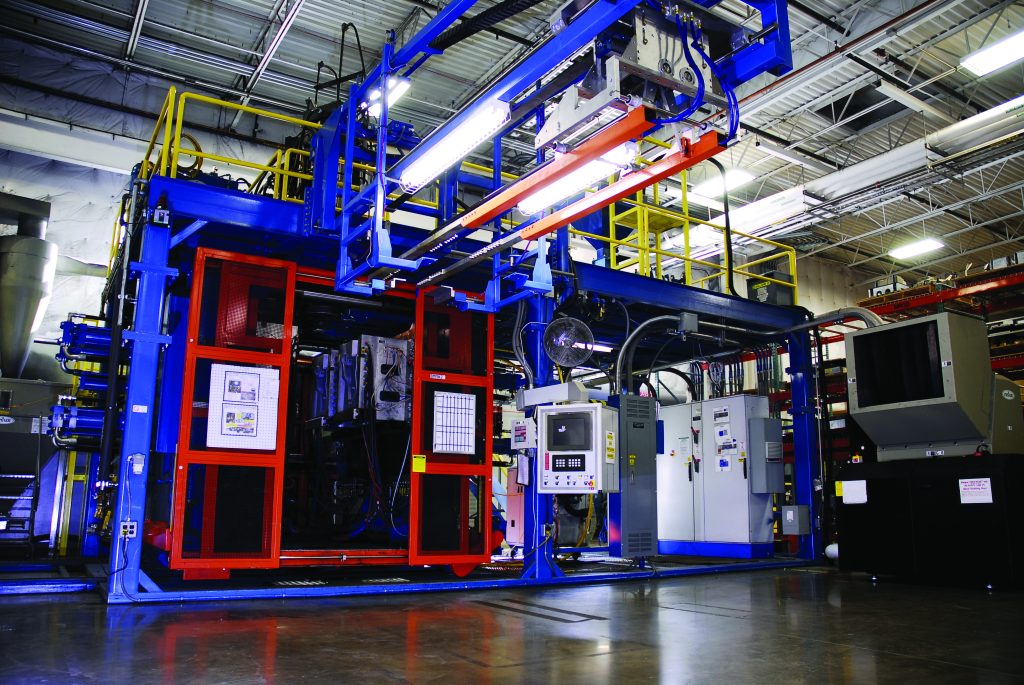
Performance, prevention, and preparation are essential to ensure long-term efficiency and production from your blow molding equipment. Davis-Standard’s blow molding team put these 10 tips together to help you stay ahead of the curve, keeping your machinery performing its best!
Read More >
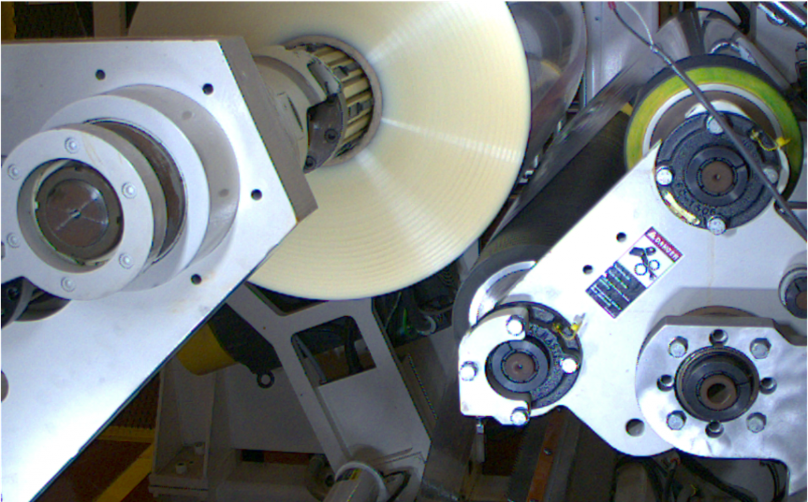
Our industry has reached a point where scrap, downtime, and lost production due to missed splices during the unwinding and web transfer process should and can be prevented. Learn how in this blog...
Read More >

Safety Training Tips for Summertime and Beyond!

We’ve arrived at summer – halfway through 2022! These months present a great time to review your current safety training protocols. Maybe you’ve discovered training needs based on the first half of the year. Maybe you want to review ongoing training procedures. Or, maybe you want to improve upon current practices. Whatever the reason, a healthy dose of safety training is a good way to prevent accidents while improving operational efficiency. Our EHS (Environmental, Health, and Safety) team has created the following tips to support a strategic approach to safety training.


(1) Identify your safety and health hazards. How do things look out on the shop floor? Is everything in line with OSHA requirements and your internal safety standards?

(2) Control safety hazards. How are you currently addressing potential hazards? Are your employees prepared with knowledge and protective eyewear and clothing?

(3) Know your safety training regulations. Is everyone aware of your safety training regulations? Do you have OSHA signage and other relevant signage displayed? Visit osha.gov for additional safety regulation info and signage.

(4) Is training being completed for the most dangerous tasks first? As you prioritize operator training, addressing the most hazardous situations should be #1.

(5) Is your training site-specific? Every shop floor is different, even within the same company. Post pictures and use near-miss examples that occurred at that specific shop as reminders. Make sure ALL employees are notified of these hazards.

(6) Deliver initial training in person. Having a personal connection when discussing safety practices is essential. This is especially important for a new training experience.

(7) Use physical training props. This is an excellent way to illustrate a point and help trainees gain first-hand experience and a visual understanding of safety procedures.

(8) Consider short video clips. Using video clips, preferably from pop culture (movies, TV shows), is an effective way to interject humor while delivering memorable instruction.

(9) Know the audience. Intentional learning is best achieved when your training program is aligned with the audience. How can you best optimize your training time with a certain group?

(10) Verify topic understanding. Engage your audience through active participation, thought experiments, and mock scenarios to confirm their grasp of the subject.

(11) Seek feedback for improvement. Always ask participants how your training can be strengthened, and act or respond to each suggestion.

(12) Allow for Q&A time. Before exams, allow plenty of time to answer questions and provide clarification. Set up your trainees for success.

(13) Establish refresher courses. Keep your operators sharp with refresher courses and low-risk task training. This can be delivered via eLearning.

(14) Follow-up with shop walks. Check in with your employees at regular intervals during shop walks. See if they have any questions about previous trainings, or observe anything on the shop floor that may need correction.

(15) Re-train when needed. If you observe unsafe behavior, do not hesitate to have additional trainings. It’s better to re-train than experience a life-threatening accident.

(16) Last but not least, don’t forget to refer to equipment manuals for safe operation procedures.

What other safety training tips can you add to this list? Share your insights below in the comments.

If you have questions about this blog, comment below. For any other questions, e-mail marketing.

Cheers,
The D-S Connect Blog Team


10 Tips to Keep Your Extruder Pumping!

In many ways, your extruder is like the engine of your car. You need to keep it fine-tuned and operating at peak performance for best results and fewer breakdowns. When the engine runs well, you get the best mileage and reliability from your investment. Likewise, we want you to get the most from your extruder in terms of performance and durability.

In this blog, we once again delve into maintenance by focusing on the extruder. Our team has put together their top 10 tips for keeping your extruder in top condition.

Tip 1

Download the “Davis-Standard Quarterly Extruder Performance Checklist,” and ensure your team is monitoring and maintaining your equipment in adherence to OEM standards.

Tip 2

Monitor gearcase oil conditions weekly. Change the gearcase oil every six months or 4,000 hours of operation. For more information, check out these references:

GEARCASE OIL CHANGE INTERVALS
OIL SELECTION
FLUSHING THE GEAR REDUCER

Tip 3

Measure screw OD and barrel ID annually, and keep track of wear for ideal processing conditions. Your regional sales manager can advise you on wear concerns. Check out the screw wear guidelines here.

Tip 4

Check barrel heater bolts for tightness and correct heater contact every 12 months.

Tip 5

 Examine breaker plates and spacer rings for flatness before installation. Confirm there is a tight seal between the barrel and die.

Tip 6

 Make sure cooling water is piped and flowing to the feed section in order to efficiently convey pelletized material.

Tip 7

Inspect motor surfaces and air intakes to ensure they are clear of debris.

Tip 8

If you notice a significant performance decline and are seeking improved efficiency, it may be time for an upgrade. This can include control systems, dies, process modification, refurbishing the gearcase, and more. Contact your regional sales manager for details.

Tip 9

For advanced machine monitoring for predictive and preventive maintenance consider the DS Activ-Check system. More information contact us here. You can also watch the recorded webinar hosted back in October 2021 to learn more about how real-time monitoring assists operators in extrusion. Check out this on-demand webinar here.

Tip 10

Keep the 844-MYDAVIS magnet on every machine in your plant for emergency service and spare parts. We are pleased to send you as many as you need. Click here to receive your free magnet(s). You should receive your magnet(s) within 2 weeks.

We are always here if you need us! For additional preventative maintenance questions, comment below.

Any other questions, e-mail marketing.

Don’t forget to rate our blog. Your rating allows us to continually provide the type of content you like.

Cheers,
The D-S Connect Blog Team


Feedscrew Wear Guidelines for Best Results

We hope you have enjoyed our blog series on feedscrews that we posted in 2019. If you have not seen those yet, you can find them below. There is excellent information on causes of wear and improving longevity to get the most benefit from your feedscrew investment.

The Feedscrew and Barrel Factor
Feedscrew and Design Truths for Improved Longevity, Part I
Feedscrew and Design Truths for Improved Longevity, Part II
Feedscrew and Design Truths for Improved Longevity, Part III

Expanding on our series, we provide below basic wear guidelines to assist you in knowing when to rebuild or replace your feedscrew. You can monitor wear by taking advantage of borescoping services at least once a year. That service will indicate diametrical wear numbers that can be used to monitor wear and help avoid problems in the field.

The low number will cause a decrease in your output at a given rpm.
The medium number indicates that performance should be monitored more closely with preparations to rebuild or replace the feedscrew.
With the high number, we suggest you rebuild or replace the feedscrew.

Please note: The foregoing are guidelines and specific cases can vary

*For exact diameter of your feedscrew (new/not used), please reach out to your regional sales manager.

Would you like to schedule a borescoping service with our team? Contact us!

For any other questions, comment below or e-mail marketing.

Cheers,
The D-S Connect Blog Team


Preventive Maintenance for Davis-Standard Gear Reducers – Oil Selection


In the first two blogs of this series, we outlined oil change intervals and the process for flushing the gear reducer. In this final blog post of the series, we’ll provide guidance on oil selection.

Always follow the maintenance information in the manual provided with your equipment.  This blog summarizes general preventative maintenance for the gear reducer.

Selecting the right lubricant for your gear reducer is important to long-term operational success. The demand on your gear reducer is significant; the gear teeth need to withstand high contact stress to transmit the torque your process application requires. Lubricant manufacturers have addressed this by developing higher quality oils to help carry increased loads safely. It’s also important to evaluate operating conditions to determine the best option.

For example, what are the environmental considerations? Heat, dust, moisture, and other variables impact lubrication.

When selecting the right lubricant, check the oil type, viscosity, and quantity stamped on the reducer nameplate. This will be based upon application information provided at the time of purchase. For normal operating conditions with ambient temperatures between 50°F (10°C) and 104°F (40°C), a quality mineral gear oil with rust and oxidation inhibitors is recommended.

If you are seeking greater energy efficiency, you may want to consider polyalphaolefin-based synthetic R&O oils. Polyalphaolefins are compatible with mineral oil. Oil change intervals should remain the same as they are for mineral oil unless justified by a routine oil analysis.

If the application information has changed, or you are unsure what oil to use, contact Davis-Standard for assistance to verify the oil type and viscosity selection.


We hope this preventative maintenance series for gear reducers has been helpful to you. Have questions or comments about this blog? Write a comment below.

Davis-Standard’s extensive service and maintenance capabilities are equipped to support you for this task and any other aftermarket needs. We can also customize a service or maintenance package to fit your requirements. Contact us here if you’d like a tailored package.

Any other questions or inquiries, e-mail marketing.

Cheers,
The D-S Connect Blog Team


Preventive Maintenance for Davis-Standard Gear Reducers – Flushing the Gear Reducer


In the first blog of this series, we outlined oil change intervals. In this blog, we move on to the next step, flushing the gear reducer.

Always follow the maintenance information in the manual provided with your equipment.  This blog summarizes general preventative maintenance for the gear reducer.

Guidelines for Flushing the Gear Reducer

Use an oil filter cart (with at least a 25-micron filter) for adding clean filtered oil to the reducer. An oil filter cart cleans new oil offline before filling the gear case, which reduces water, dirt, and wear particles that could be introduced to the lubrication system. In addition, a good oil-filtering system will reduce contaminants that impact the wear of machine parts and oil condition.


Flushing is a clean-fluid circulation process that removes water, chemical contaminants, air, and particulate matter resulting from construction, normal ingression, internal generation, or component wear.

Two methods for the oil change flush are described below. The first method uses a flushing oil specifically blended for flushing gear reducers. The second method uses clean operating oil for the flushing process.

Solvents should be unnecessary and are not to be used.

Method 1: Adding Flushing Oil to Existing Oil

This method requires the reducer to be run under no load with the feedscrew disengaged.

    • Drain approximately 10 percent of the gear oil and add the same quantity of flushing oil.
    • If equipped, replace the oil filter.
    • After running the reducer for at least one hour, drain as much oil as possible from the gear reducer. If equipped with an oil cooling system, disconnect a low point hose (such as the suction hose connection at the pump) and drain the oil. Next, remove a drain plug from the heat exchanger shell and drain the heat exchanger.
    • Replace any removed plugs and reconnect any oil hoses.
    • Replace the oil filter and refill the reducer with clean filtered oil of the specified type and viscosity grade.
    • Run the gear reducer at a slow speed to circulate oil through the cooling system. Recheck the oil level with the reducer stopped and add additional oil if necessary.

Method 2: Using Operating Oil

This method requires the reducer to run under no load with the feedscrew disengaged.

    • Completely drain the oil after shutdown while the oil is warm. Then, add the same quantity of the clean, filtered replacement oil.
    • If equipped, replace the oil filter.
    • After running the reducer for at least one hour, drain as much oil as possible from the gear reducer. If equipped with an oil cooling system, disconnect a low point hose (such as the suction hose connection at the pump) and drain the oil. Next, remove a drain plug from the heat exchanger shell and drain the heat exchanger.
    • Replace any removed plugs and reconnect any oil hoses.
    • Replace the oil filter and refill the reducer with clean filtered oil of the specified type and viscosity grade.
    • Run the gear reducer at a slow speed to circulate oil through the cooling system. With the reducer stopped, recheck the oil level and add additional oil if necessary.

In the next blog, we’ll cover oil selection. Stay tuned!

Have questions about this blog? Comment below.

Any other questions or inquiries, e-mail marketing.

Cheers,
The D-S Connect Blog Team


Preventive Maintenance for Davis-Standard Gear Reducers – Oil Change Intervals

Extrusion line downtime can be expensive. To reduce downtime, it’s important to develop and implement a robust preventive maintenance program for your plastic extruder gear reducer. In this preventative maintenance blog series, we’ll outline three key areas for keeping your gear reducer primed for performance – 1) oil change intervals, 2) flushing the gear reducer, and 3) oil selection.

Always follow the maintenance information in the manual provided with your equipment.  This blog summarizes general preventative maintenance for the gear reducer.

Oil Change Intervals – Gear Reducer without Oil Filtration:

After the First 200 Hours of Operation (and then every 2,500 hours of operation)

    • Drain the oil, preferably when warm.
    • Flush and refill system with new oil; refer to the information on the gear reducer nameplate.
    • With the extruder screw rotation stopped, check the oil level and adjust as necessary.
    • Check the alignment of the motor and gear reducer coupling, or belt drive, for proper alignment. Adjust as necessary.

Oil Change Intervals, Gear Reducer with Oil Filtration:

After the First 200 Hours of Operation (and then every 4,000 hours of operation)

    • Drain the oil, preferably when warm.
    • Flush and refill system with new oil. Refer to the information on the gear reducer nameplate.
    • Always replace the oil filter.
    • With the extruder screw rotation stopped, check the oil level and adjust as necessary.
    • Check the alignment of the motor and gear reducer coupling, or belt drive, for proper alignment. Adjust as necessary.
    • If, at any time in between oil changes, the dirty oil filter indicator on the filter head shows red, replace the oil filter.

At Every Oil Change

    • Inspect the gear tooth condition visually through the inspection cover. A small amount of wear and a central tooth contact pattern are acceptable.
    • Check for oil leaks.
    • Remove, clean, and reinstall the housing vent plug.
    • Clean and wipe down the external surfaces of the gear reducer.

Daily (at shift changes)

    • Listen for any unusual noise. Determine the source and correct as necessary.
    • The maximum continuous operating temperature is 150°F (66°C). Check the temperature using the temperature gauge provided. For reducers not equipped with an oil cooling system, monitor the temperature by hand. Reducers should be warm to the touch, but not hot. Be aware that the temperature may vary with load and speed. For temperature measurements over 150°F (66°C), as measured by an IR pyrometer, camera, or a similar non-contact tool, contact the Davis-Standard service department.
    • Look for fluid spills. Clean up when needed and determine the source. Correct as necessary.

Monthly

    • Check the oil level in the gear reducer. If it is necessary to routinely add oil, determine the cause of the oil loss and correct it.
    • Inspect the gear reducer and oil cooling system (if supplied) for oil leaks.

We hope you have found this blog helpful! Please rate this blog below and be sure to look for the next blog in this series on flushing the gear reducer in April.

For assistance on improving output and quality, or reducing downtime, contact us at 844-MYDAVIS to schedule a service visit or line audit. Our 24/7 customer service is available for your convenience. 

Have questions about this blog? Comment below or email us.

Cheers,
DS Connect Blog Team

Blown Film Die Coating Considerations and Options

When it comes to the right surface coating for your blown film die, cost and performance can make or break your bottom line. Traditional coatings typically require some give and take with one or the other in order to address various blown film applications. Every case is different with the die size and specific application (s) playing a critical role. In this blog, we’ll provide an overview of coating options for extrusion spiral dies beyond traditional chrome plating. This includes newer technologies such as PVD (physical vapor deposition) coatings as an alternative.

Historically, chrome and nickel plating have been the go-to for extrusion die surfaces. When processing corrosive materials such as PVC and PVDC, more corrosive resistant materials of construction are required. However, for applications with spiral profiles or for irregular non-symmetrical die-shapes, chrome plating is not always the best choice. Achieving uniform plating thickness can be challenging, often resulting in chrome build-up in critical function areas of the die. These build-ups must be removed manually, which can cause damage to the plating surface. Surface cracks can also occur, triggering corrosion of the base material. Nickel plating is another option and can be used for more complex geometry.  Nickel plating provides a uniform plating thickness without build-up in critical areas.  Nickel plating provides a non-porous coating but is not as durable as chrome plating.

The logical response to solving chrome plating issues is to manufacture die components from stainless steel. The stainless steel route is a higher-cost solution, yet also presents challenges due to its low thermal conductivity. Materials of construction containing high nickel content such as Hastelloy or Inconel have outstanding chemical resistant, properties suitable for a range of applications, but at an even higher cost. Thus diminishing its value as the most suitable solution for processors.

Enter PVD coatings into the conversation. Several companies specializing in PVD coating technology have developed multi-layered coating solutions for plastics processing. Potential benefits depending on die size and application include:

    • Even coating thickness
    • Improved surface hardness
    • Better structural integrity
    • Higher wear and corrosion resistance
    • Less polymer adhesion
    • Environmentally friendly

PVD addresses concerns associated with chrome plating, yet it is still a competitive substitute for stainless steel and Hasteloy materials. Specific to extrusion dies, PVD multi-layer coatings have been shown to eliminate base material corrosion, minimize material degradation, increase die run-time between cleanings, and support potential throughput increases. Maintenance is also faster and easier. That being said, PVD has limitations when it comes to uniform coating through the deep holes found in a spiral mandrel die.

In summary, new coatings such as PVD are making in-roads and have yielded positive results. It’s worth exploring your options based on die size and application to determine chrome plating alternatives that suit your operation.

Please feel free to contact us if you want to discuss options.

Otherwise, feel free to reach out to service and support at +1 844 MYDAVIS or e-mail marketing if you have any other questions.

Cheers,
The D-S Connect Blog Team


Maximizing Your Underwater Pelletizer Performance

Do you know if your underwater pelletizer is providing you with the desired pellet quality and output? It is not uncommon for many to assume all is well, only to realize that die plate performance is not up to par. The good news is, checking is easy.

In most cases, these issues are linked to the number of open and flowing orifice holes in the die plate. Maintaining the free-flow of product is essential to achieve quality pellets and higher outputs. When these orifices become partially or completely frozen off, issues ensue. This is especially true when processing difficult products and when equipment differences exist.

How can you measure performance to ensure this is not the case? Our team has developed a procedure just for you! Using simple equations and a step-by-step process, our pellet count procedure measures the number of pellets that should be created versus the actual number.

Davis-Standard Pellet Count Procedure

Use this procedure to determine the percentage or number of open and flowing orifices in an underwater pelletizer die plate.

(1) Count out at least 50 pellets from a pellet sample taken at the same point in time that the pelletizer shaft speed and total production output were noted.

(2) Divide the number of pellets counted by total weight (in grams) to measure pellets per gram.

Measure the Percentage of Open and Flowing Orifices

(1) Determine the theoretical number of pellets that should have been produced per unit of time.

(2) Determine the actual number of pellets produced per unit of time.

(3) Calculate the percentage of open and flowing holes.

Measure the Number of Open and Flowing Orifices

NOTE:  The accuracy of the measured values will greatly affect the results.

Upon determining actual performance, you can then make other modifications as needed to improve outcomes. After all, a correctly designed underwater pelletizer operating under ideal process set-up conditions should produce high-quality pellets with great efficiency.

If you have a competitor’s machine or an older Davis-Standard underwater pelletizer, take the challenge and compare the results to newer Davis-Standard’s pelletizer designs. You might be surprised at what you discover.

For further information on how to improve your pelletizer performance, scan the QR code to contact Sarah Eisel, Product Manager of Pelletizing Equipment.

Or contact us here.

Any other questions, e-mail marketing.

Cheers, 
The D-S Connect Blog Team


Tips for Blow Molding Equipment Excellence

One topic we have not covered in the D-S Connect blog is blow molding. We want our blow molding customers to know we have not forgotten about you!

Performance, prevention, and preparation are essential to ensure long-term efficiency and production from your blow molding equipment. Davis-Standard’s blow molding team is committed to offering services that maximize your equipment and investment. This includes rebuilds and replacement options for blow molding heads, extruders, motors, and electrical components. To stay ahead of the curve, the following are 10 tips for keeping your blow molding machinery performance at its best.

(1) Update Equipment Documentation – Update machine files including RLD (Relay Ladder Diagram) printouts, electrical prints, tooling prints, and machine repair logs.

(2) Know Your Equipment – Use machine drawings and RLD printouts when troubleshooting.

(3) Keep Safety First – Check gate electrical safety switches, gate tape switch, emergency stop switches, rupture disk limit switch, barrel pressure safety system, and electrical panel interlocks on a regular basis.

(4) Avoid Hydraulic System Deficiencies – Add filtered oil to the machine, change filters on a regular basis, avoid over-heating oil and low accumulator pre-charge.

(5) Lubricate Key Parts – Consistently lubricate clamp tie bars, clamp equalizer assembly (rack and pinion or chain), safety gates, PTO, and motors.

(6) Maintain Heads – Fill heads to 100 percent each shift, avoid using damaged tooling, check heaters to ensure they are not missing or burned out.

(7) Check Wiring – Document modifications, number different wires, and make sure wire-ways are covered.

(8) Clean Electrical Components – Regularly clean the extruder-drive motor blower filter and the electrical cabinet air filter, and keep the cabinet doors closed.

(9) Validate Power Source – Confirm steady voltage, avoid unsuppressed surges from high voltage faults, and make sure grounded/isolated microprocessors are properly grounded.

(10) Plan for Breakdowns – Ensure timely access to spare parts replacement to avoid downtime and faulty repairs.


We hope these tips will help you continue molding high-quality products while keeping your operators safe.

Have questions about this post or want to inquire about spare parts or new equipment? Send us an email.

Want to learn more about Davis-Standard blow molding equipment? Visit our webpage.


Cheers,
The D-S Connect Blog Team

Embracing the Cloud for Smarter Unwind Splicing & Transfers

The D-S Connect Blog has ventured into the heart of using cloud-based technology to improve best practices. We firmly believe it’s the logical next step to improve production efficiencies while proactively identifying potential issues before they occur. See our digital transformation blog series for background.

Part 1 – Digital Transformation and What it Means for Our Industry
Part 2 – Making Sense of Cloud-Based Digital Architecture
Part 3 – Digital Transformation’s Value via Situational Awareness

In this blog, we’re taking that a step further by providing specific examples of how a cloud-based platform can support unwind splicing and transfers on continuous web substrate processing lines. Consistent unwind splicing and winder transfers are paramount to high productivity, especially for flexible packaging applications that are trending toward ever-thinner web materials at ever-increasing production speeds. Unfortunately, there is little room for error when trying to achieve profitability and output goals. Each time an unwind or winder transfer failure occurs on a roll-to-roll web processing line; the line must be stopped. By the time the web material scrap is cleaned up and the line re-threaded and re-started, you’re looking at an hour or more of lost production time.
That hurts. BUT it shouldn’t!

Cloud-based platforms, made possible by the IIoT, provide the digital tools to quickly diagnose and, better yet, predict when the degradation of a critical element is enough to cause missed transfers. Smart manufacturing solutions have been developed to simplify the process and strengthen prevention. Let’s take for example DS Activ-Check™. It is a customizable cloud-based platform that uses sensors, predictive analytics, and control programs to supply real-time data about critical parameters and key performance indicators (KPI). In a nutshell, alarm displays are initiated when KPIs are outside the recommended operating range. All information is conveniently displayed using visually appealing, comprehensive dashboards. As a result, complex data is immediately transformed into a measurable at-a-glance format that not only prevents failure but can also help you achieve ideal conditions for the “golden run”.


By being proactive, you can avoid unnecessary line shutdowns and downtime while boosting maintenance practices and production line consistency. You’ll also minimize the chance for operator error and deliver team connectivity capabilities not available with current systems. In addition, real-time image recordings can be added to capture various aspects of a transfer operation as they occur, further promoting line transparency. Since digital transformation is a journey, like most technologies, the potential for applying it to your operation is rather vast.

To give you a glimpse of the possibilities, we’ve created four examples of how analytics using a cloud-based platform can support day-to-day operations based on common challenges that occurred in roll-to-roll web processing.


Continually monitor the roll diameter and concentricity of incoming rolls of material to the unwind. A laser or other advanced sensor can accurately measure the roll and provide feedback to ensure the concentricity is within the acceptable range. If the measurement is out of range, the operator is immediately warned of this condition. The process line can be automatically slowed down or stopped to adjust and avoid a poor or missed splice.

Improve paster firing efficiency by measuring the time it takes from the command to the actual paste or web cut-off. Reaction times can vary depending on the pressure used to fire and the mechanical condition of the paster roll and cut-off systems. The cumulative average from three previous transfers can be calculated to predict when to fire these components by monitoring reaction times. If the measured reaction time of either the paster or cut-off knife is outside the acceptable normal times, a warning is sent that preventative maintenance needs to be done before the condition deteriorates to cause a poor or missed splice.

Predict issues that impact roll change performance. Sensors on the unwind and winder can highlight pressure issues beyond the acceptable variation for consistent transfers and quality winding. This can include monitoring the transfer paste nips and the programmed nip force for the pressure roll while winding. Variation of the unwinding and winding web tensions during and after a transfer can be observed and compared to setpoints. Alarm warnings are displayed if these factors are out of the acceptable range. In addition, the operator will know what preventative maintenance is needed for specific components.

Ensure the cut-off knives on both the unwind and winder are sufficiently sharp for clean cutting of the web. The timing of knife replacement will vary depending on the abrasiveness of the web material and the speed and diameter of rolls being processed. Smart technology programming tracks the number of times the knife has been fired to predict sharpness, maintenance, and potential replacement to avoid transfer issues from a dull knife.

Our industry has reached a point where scrap, downtime, and lost production due to missed splices during the unwinding and web transfer process should and can be prevented. Implementing tools that significantly increase the productivity and profitability of high-quality products from your line is absolutely essential in the years ahead.


If you’re interested in talking about options to provide the unwind and winder assurance you need via digital transformation, contact us.

Have questions for marketing? Send us an email. Click here.

How would you rate this blog post? Rate below 👇🏼

Cheers,
The D-S Connect Blog Team