

Blog

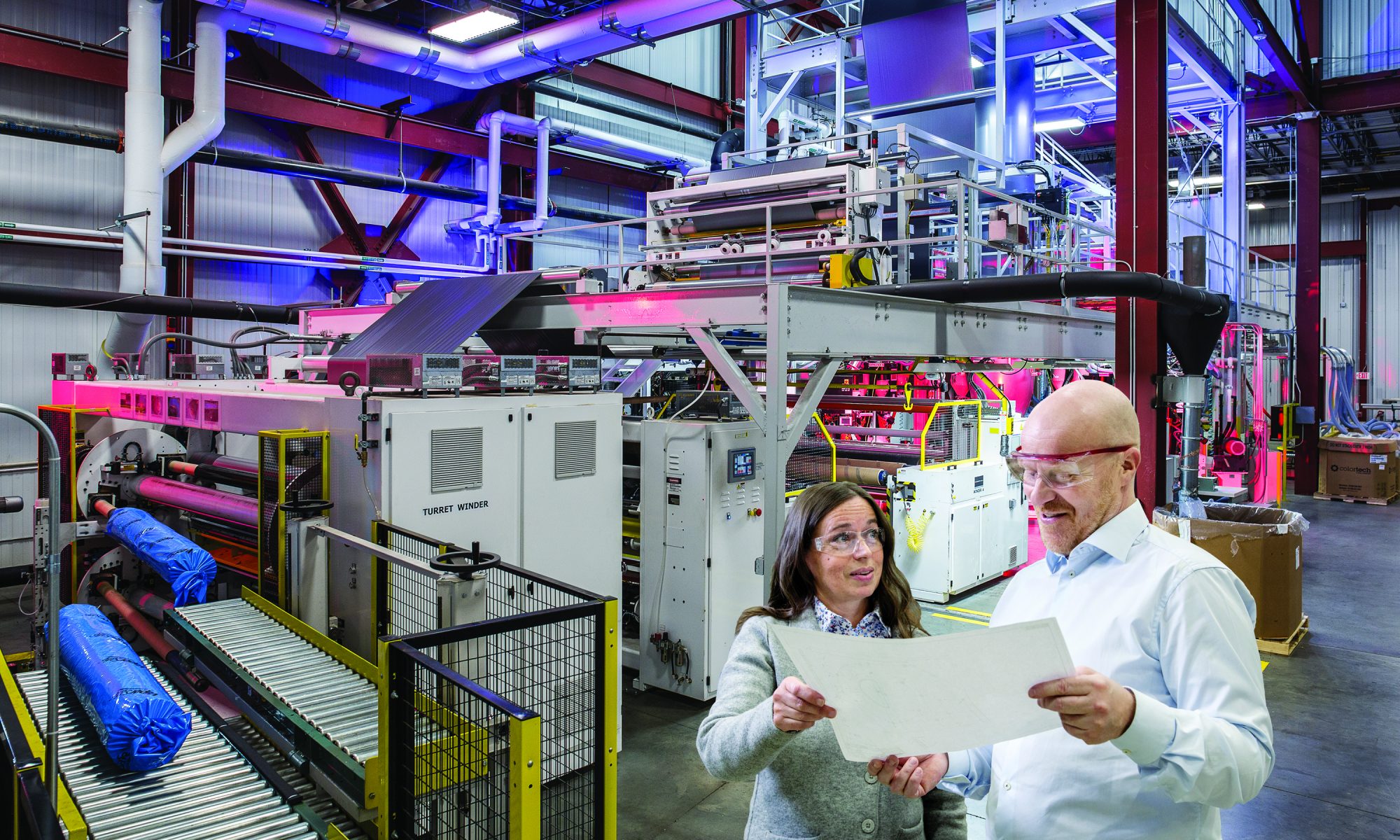
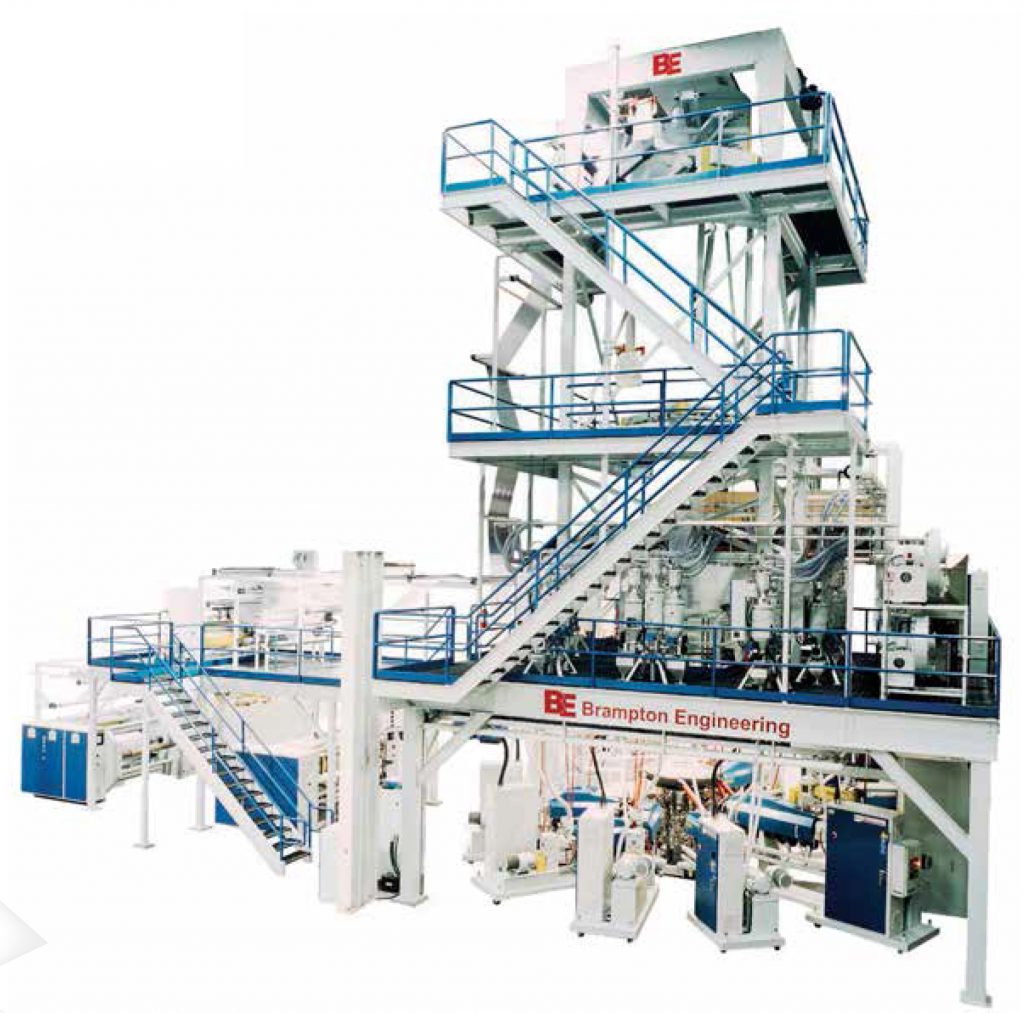
In the first of the blown film series, we’ll highlight some common film applications and the associated equipment that goes along with them.
Read More >
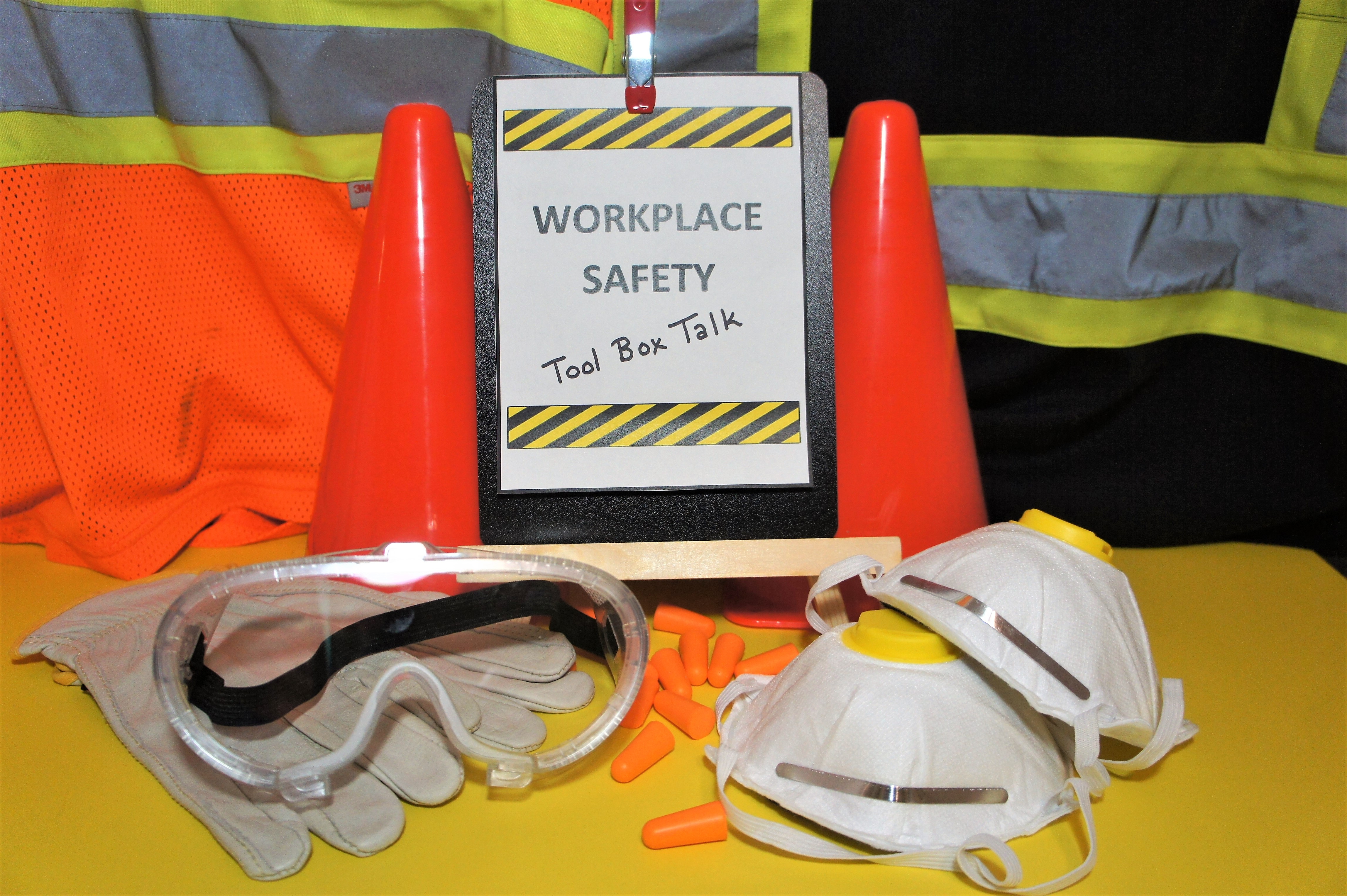
Good safety practices are essential in keeping employees injury-free on the job, reducing downtime, and maximizing daily productivity and efficiency. Here are our top 10 tips for safe processing.
Read More >
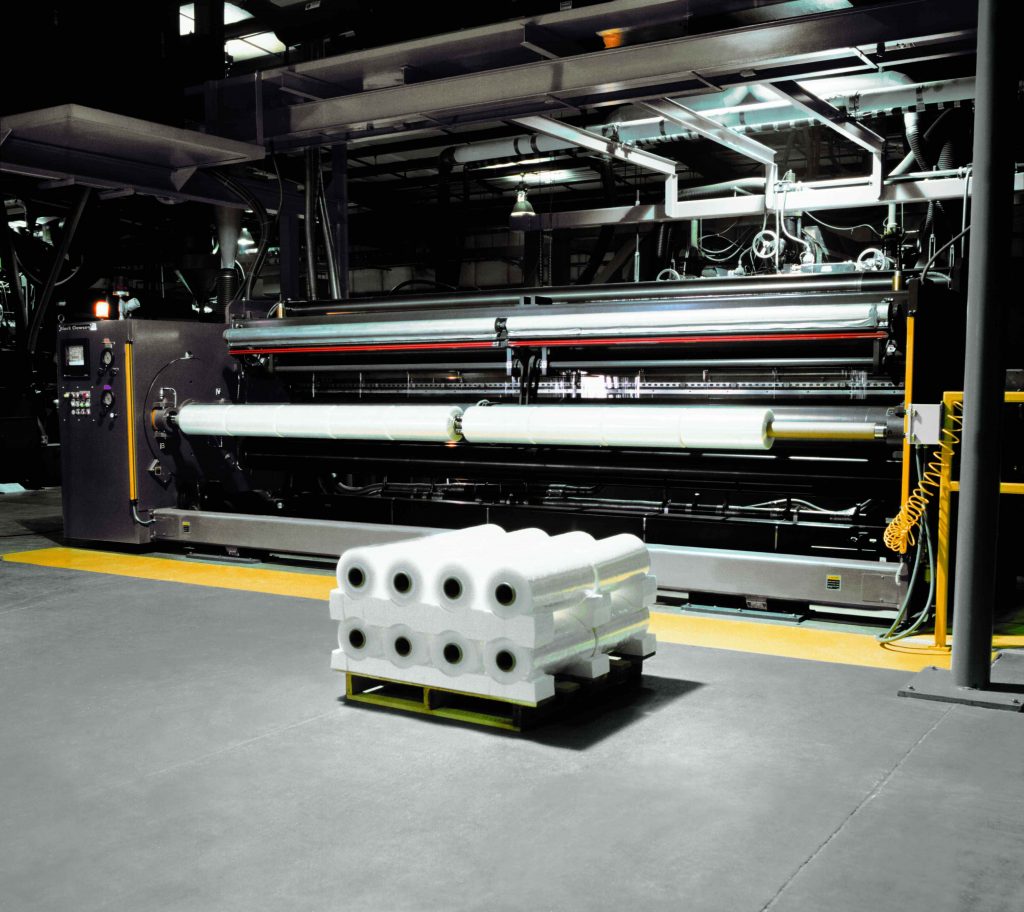
Take advantage of the pros of in-line slitting with the 5th blog of our winding series!
Read More >
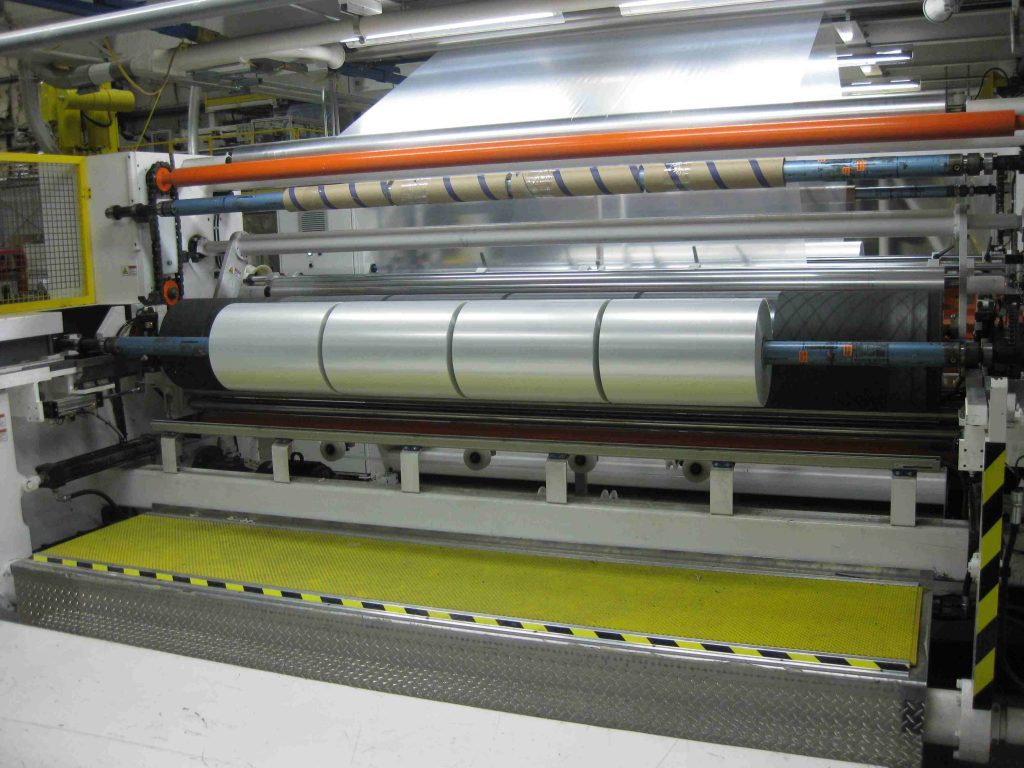
In this blog, we’ll discuss the advantages and disadvantages of the three basic winding processes used for winding web materials. These are center winding, surface winding and a combination of center-surface winding.
Read More >
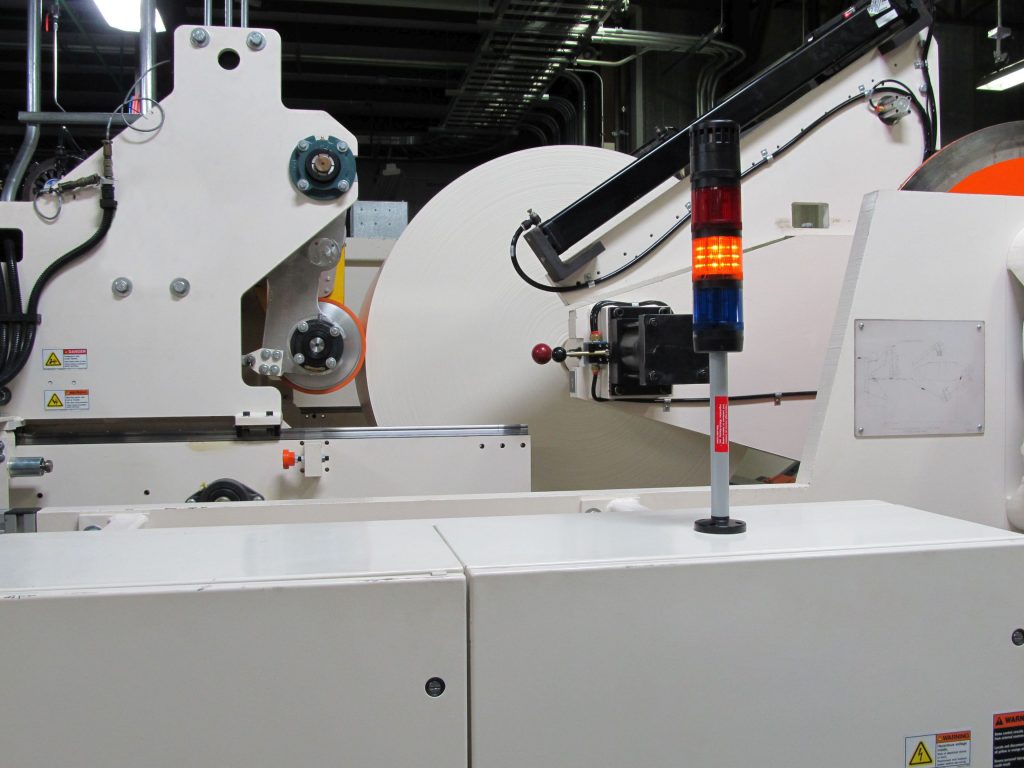
The ability to wind good rolls on a consistent basis is a challenge for every winder operator. It is truly an art! This blog covers the importance of roll density and application of “TNT” principles in winding good rolls.
Read More >
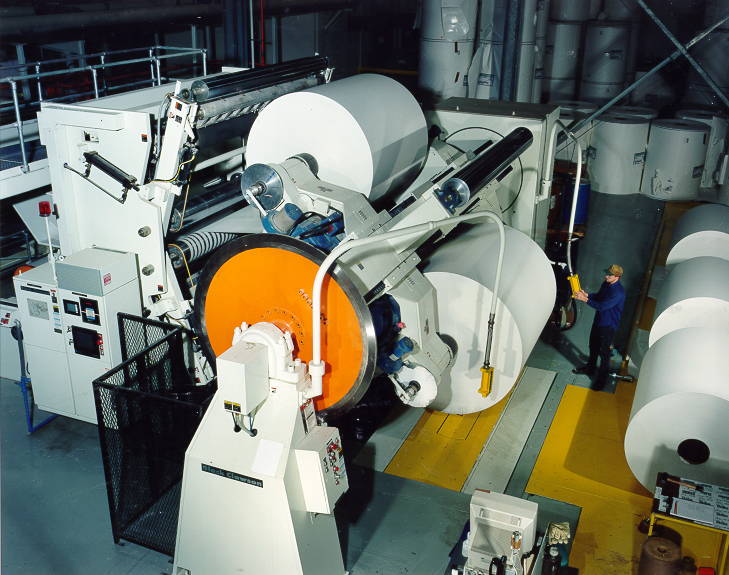
To meet today’s productivity requirements for continuous unwinding and splicing operations, it is important to understand the components of a splicer operation. Optimizing each component is critical to improving splicing efficiency and total productivity.
Read More >
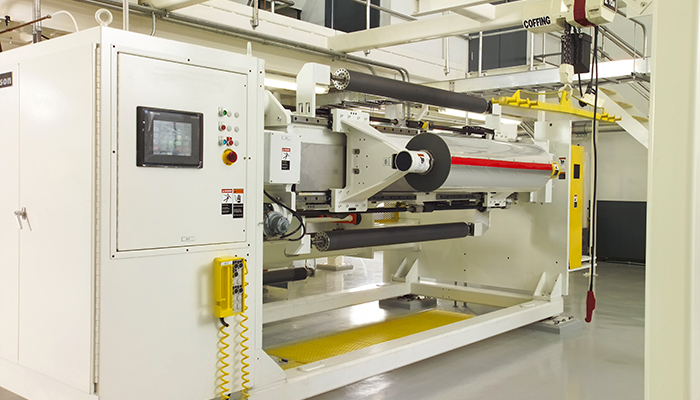
In the first Winding series, we offer 5 tips to simplify the winding process, boost profitability and ship quality rolls. Ultimately it all begins with technology!
Read More >

The K Fair is a gold mine when it comes to networking and educational opportunities. Here are our top resources for connecting with peers and gaining industry knowledge.
Read More >

As with any trade show, but especially with K, you must plan, plan, plan. Our K show experts have compiled a list of 10 resources to help you maximize your time and eliminate unnecessary headaches.
Read More >
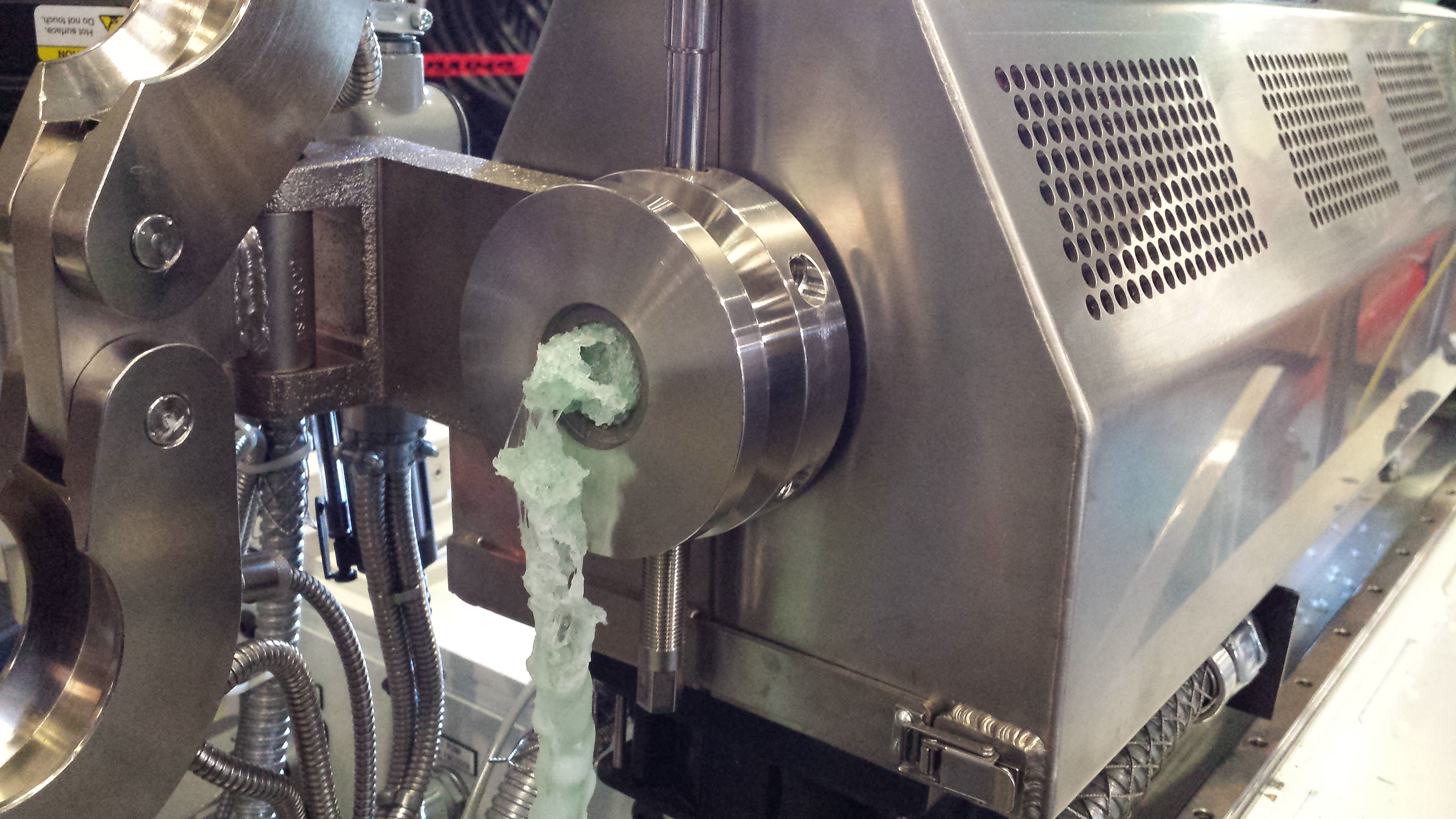
In this blog, we will focus on a two-step purging process. This includes a high-viscosity resin purge followed by a cast acrylic purge.
Read More >

Applications, Layers, and Equipment – Blown Film Series Part I


In the world of plastic films, there is a myriad of different applications that require carefully designed structures with between one and 11 layers of resin. Davis-Standard and its subsidiary Brampton Engineering offer a full range of blown film equipment and associated downstream equipment to address nearly every application. In this blog post, the first in the blown film blog series in 2020, we’ll highlight some common film applications and the associated equipment that goes along with them.

First, let us acknowledge that this is a huge marketplace with exciting options. Just within our organization, we support applications for agricultural, retail, industrial, medical, stretch and shrink products, and of course the largest and fastest-growing segment, flexible packaging for food and other consumer products. Some common examples include:

Plastic bags – These films are typically mono- or three-layer PE structure, and are processed on robust high-output equipment, often in-line with bag-making equipment. We are able to build lines where pellets enter one end and rolls of finished bags exit the other.

Agricultural films – This market includes everything from greenhouse coverings and silage film for wrapping bales of hay to mulch film used to cover fields and reduce evaporation of water and pesticides. These films can have up to seven layers and are made on extremely large lines with bubbles up to 25 meters in circumference.

Flexible packaging applications – Innovative and sustainable lightweight flexible packaging made with multi-layer blown film offers better product protection, consumer convenience, and shelf appeal while reducing the environmental footprint when compared to heavier alternatives.

Stand-up pouches, bags and many other flexible packaging formats use sealant films with an inner layer that melts and bonds easily to make a secure seal in the filling process. The sealant is co-extruded with other types of PE that can add stiffness, a moisture barrier, puncture resistance, toughness and necessary thickness at low cost. Barrier resins such as EVOH can contribute to longer shelf life for foods by preventing the passage of oxygen and flavor compounds.

Thermoformed and vacuum-sealed packages give proteins like whole and cut meats, sliced cold cuts, sausages, and cheese a much longer shelf life by excluding oxygen and contamination. These films often include nylon (PA) for toughness and formability.

Resealablility enables consumers to store the unused portion of the product safely until future use. In addition to zip-type seals and spouts on bags and pouches, multi-layer blown film allows the development of sophisticated easy-peel openings that can be reclosed – and also serve as an attractive package label. The top web of this package will include the sealant that bonds permanently to the bottom web, the pressure-sensitive layer that can be peeled open and reclosed, and the top layers that provide the necessary physical properties. Often this multi-layer, multi-purpose film structure is then laminated to a reverse-printed, stiff and glossy layer.

Considerations for Applications

The key is understanding what types of films your customer base needs now and in the future, and what type of processing flexibility is required within your product portfolio. The best equipment designs and features vary depending on the most complex films in the product portfolio. The good news is, we are prepared to advise you every step of the way. For the applications above, you need to consider:

    • The maximum number of layers you might want to make (A five-layer film can always be made on a nine-layer line, but the reverse is not true.)
    • Control system options for operational efficiency
    • Best feedscrew designs for the types of resins to be used, including blends and additives (Our next blog post will dig deeper into resins.)
    • Die design for evenly distributing and combining different melted resins. Achieve superb layer to layer thickness uniformity when using expensive raw materials; without any layer to layer crossover, is critical to manufacturing World Class Products.  (The  third in our blown film blog series will cover what to look for in a blown film die.)
    • The air ring and internal bubble cooling system for controlling the inflation of the bubble and freezing in the desired properties (Our fourth blog post in this series will cover what to look for in an air ring.)
    • A collapsing frame to flatten the cooled bubble into a wrinkle-free web
    • A primary nip or haul-off at the top of a tower to pull the film at a controlled rate from the die before traveling back down to be slit, treated, or printed prior to feeding into the winder
    • Winding technology or integrated downstream converting equipment

Have questions regarding this post? Please comment below.

If you’re looking for help navigating line design or upgrading your equipment to boost production goals, we have experts in all product areas here to help. Contact Marketing at marketing@davis-standard.com or visit our blown film page for more info.

Cheers,

The D-S Connect Blog Team

P.S. Stay tuned for more blown film blog posts. You can expect the following topics in 2020:

    • Types of resins used in blown film (this post you’ll see in 2 weeks)
    • What to look for in a blown film die
    • What to look for in an air ring
    • Troubleshooting tips (think like a polymer!)

10 Tips for Safe Processing


Good safety practices are essential in keeping employees injury-free on the job, reducing downtime, and maximizing daily productivity and efficiency. While most items are common sense, it’s always beneficial to review and remain mindful of these practices in order to avoid accidents and meet production timelines. Here are our top 10 tips for safe processing.

  1. Read and understand the equipment instruction manual. – It’s important to read the chapters on safety and warnings for each system and component prior to operating and working on machinery. Follow all safety precautions and warnings to avoid personal injury or property damage during system operation. This includes fire safety and evacuation procedures. A copy of the operation and technical instruction should be kept near the process line.
  2. Make sure only trained personnel work on equipment. – Make sure everyone is informed with regard to correct use of safety equipment, the foreseeable hazards that may arise during operation, equipment maintenance and necessary precautions. Check and test employee awareness, understanding, and compliance with safety requirements. Training should be performed annually (at a minimum) for all process and maintenance personnel.
  3. Wear personal protection gear when in the manufacturing area. – This should include safety shoes and appropriate heat resistant gloves as well as eye and ear protection. Dust masks, face shields, respirators, protective sleeves and overalls/aprons should be worn as needed to protect against discharge, vapors, accumulation of scale, dust and dirt particles in the work environment. DO NOT WEAR loose clothing and jewelry that might get caught in machinery. Long or loose hair should be tied back and covered to prevent entanglement.
  4. Be aware of body parts and other personnel when near equipment. – Never put hands or other body parts in the path of moving equipment and components. Make sure all rotating parts come to a complete stop and are secured against accidental restart before working on equipment. Make sure everyone is clear of the work area before starting machinery or causing a component to move.
  5. Keep fire extinguishing equipment readily available. – Fire extinguishing equipment should be kept wherever there is risk of fire. Make sure personnel are trained with such apparatus, know of their locations, and employ safe procedures. Make sure personnel are aware of evacuation procedures and exit locations.
  6. Use care when disconnecting equipment. – Use lockout/tagout and power supply disconnect procedures in accordance with regulations (i.e. OSHA 1910.147) before performing any maintenance, inspection, cleaning, adjusting or servicing. Disconnect all air, hydraulic, water and electric power supplies before performing any repair, maintenance or cleanup. Dissipate and bleed off any stored energy in cylinders and actuators. Always verify “zero energy state” before working on machinery!
  7. Use equipment safety devices. – Know where all E-stop buttons and safety pull cords are located and how to operate them. Do not by-pass safety devices to operate machinery. Make sure all interlocks, locking pins, and mechanical stops are in their correct position, and all guards are installed when operating machinery. Never operate equipment with safety devices removed.
  8. Use precautions around heavy loads. – Do not walk under a suspended load or allow other personnel to walk under a suspended load. Do not lift or move loads over personnel.
  9. Be aware of alarm warnings. – Always make sure equipment is in perfect working order. Faults and malfunctions, particularly those that impair safety, must be remedied immediately. Do not ignore alarm warnings and delay check-ups and/or routine maintenance.  
  10. Keep the work area clean and organized. – Keep walkways clear by removing unnecessary materials, which prevents tripping and slipping. Remove debris and keep the work area clean before, during and after processing.  

It is essential to stay alert at all times while around equipment.  We hope these tips assist you in maximizing productivity and best practices on your manufacturing floor. Cheers to safety!

We welcome comments and questions, please post in the comments section below.

Or you can e-mail marketing directly at marketing@davis-standard.com.

Cheers,

The D-S Connect Blog Team


Winding Series Part V | Pros and Cons of In-line Slitting

Welcome to the fifth blog of our winder series featuring the insight of our winding expert, Duane Smith.

Producing quality, shippable rolls directly off your production line can increase productivity, lower manufacturing costs, decrease scrap and shorten production cycles. By eliminating an off-line slitting and rewinding operation, you can potentially save $0.05 and $0.10 per pound in production costs.

However, in order to take advantage of the pros (productivity and profitability) offered by in-line slitting, the right mix of products and equipment is essential. The industry trend of wider and faster production lines makes this more challenging. Extensible films wound to smaller diameters such as stretch wrap and food wrap films have traditionally been slit in-line. But, as the widths and speeds of these lines have increased, the consistent achievement of scrapless roll changes as well as the finished roll removal and re-coring process, places unique demands on equipment. This can lead to several cons including lost production, increased production costs and more scrap. In order to succeed, there are six key requirements for a profitable in-line slitting operation.


  1. Consistent quality on the process: Process quality of the material being produced must be consistent. Cutting off quality material from 12 slit rolls instead of one parent roll can significantly drive up production costs. Automated process control systems have substantially reduced off-quality process problems.
  2. Changeover time for slit-width changes for roll removal and shaft re-coring: Automated slitter positioning systems and roll/re-coring systems make it possible to achieve fast and efficient set-width changes, roll changes and re-coring. However, downtime and/or scrap can be a negative when making product width changes or when slitter blade maintenance is required.
  3. Ability to consistently spread and wind shippable quality rolls: The winder must have a properly designed slit web spreading system and the ability to use all three of the TNT (Tension/Nip/Torque) winding principles to consistently produce properly wound rolls. This includes the ability to wind on differential shafts for materials with cross-machine thickness variations, which need to be wound to larger diameters.
  4. High quality, high-speed transfers and good starts on new cores with 100 percent consistency: New transfer systems produce straight-line cuts and transfer the slit web directly to the new cores. Stationary knife transfer concepts provide roll change consistency approaching 100 percent, regardless of web width or operation speed. They also provide clean web starts on new cores.
  5. Scrap generation during the roll change operation: Quality rolls call for the first and last wraps to be as good as those in-between. Controlled tension, nip and torque must be maintained throughout the entire winding cycle, including the roll change.
  6. Core size consideration: As production lines increase in width and speed, the core shaft critical speed and deflection criteria determine the minimum core ID (inside diameter) that your material can be wound on. Just by taking a single-center slit, the stiffness of the roll no longer contributes to the stiffness of the shaft. Off-line slitting and rewinding is still needed for customers with small core sizes.

We hope these guidelines help you determine if in-line slitting is the right process for your operation. If you have questions or comments about this post, please comment below. We would love to hear from you!

Cheers,

The D-S Connect Blog Team

Winding Series Part IV | Part II of “The Art of Winding Good Rolls”


Welcome to the fourth blog of our winder series featuring the insight of our winding expert, Duane Smith.

In the last blog, we discussed the importance of TNT (Tension, Nip, Torque) in winding good rolls. In this blog, we’ll discuss the advantages and disadvantages of the three basic winding processes used for winding web materials. These are center winding, surface winding and a combination of center-surface winding. Each process uses one or more of the TNT winding principles to build roll hardness.

Center Winding

A center winder can be in the form of a gap winder where only Tension is used to control roll hardness. It could also incorporate a lay-on pressure roll, using both Tension and Nip to control roll hardness. With a center winding process, the spindle torque through the center of the roll provides the web tension.

Advantages of turret center winders:

      • Best for winding soft rolls (e.g. webs with guage bands)
      • Best for winding film with high tack
      • Best for winding small diameter rolls
      • Easily designed for dual-direction winding
      • Able to provide adhesiveless transfers
      • Quick indexing and fast cycle times

Disadvantages:

      • Limited maximum roll diameter due to the torque applied through layers of slippery webs
      • Higher profitability of generating scrap during roll changes

Surface Winding

When surface winding elastic materials, Tension is the dominant winding principle. When surface winding inelastic materials, Nip is the dominant winding principle. Surface-type winders use a driven winding drum to pull the winding tension. The winding rolls are nipped to the winding drum by apply loading through the shaft supporting the winding roll. With surface winding, torque is not applied through layers of web being wrapped into the roll.

Advantages of drum surface winders:

      • Best for winding hard rolls (e.g. protective films)
      • Best utilization of space and horsepower
      • Best for winding very large diameter rolls
      • Best for minimizing waste during transfers
      • Single and smaller winding drive
      • Generally less expensive

Disadvantages:

      • Air can’t be wound into the roll to minimize gauge bands
      • Wound Rolls can have blocking issues

Center-Surface Winding

A center-surface winder uses both center winding and surface winding processes. Center-surface winding uses all three of the TNT winding principles. Web Tension is controlled by the surface drive connected to the lay-on or pressure roll to optimize the slitting and web spreading processes. The feedback from the web tension load cells trims the drive to control constant web tension during the winding operation. The Nip is controlled by the lay-on roll loading applied to the winding roll. The Torque from the center drive can be adjusted to produce in-wound tension to achieve the desired roll hardness profile. Winding tension can also be independently controlled from the web tension. For high-tension applications, center-surface winders share tension horsepower requirements to allow small center drives.

Advantages of center-surface winders:

      • Winding tension can be independently controlled from the web tension best for winding high-slip films to larger diameters
      • Best for slitting and winding extensible films to larger diameters
      • Best for tapering in-wound tension without affecting film width
      • Able to supply in-wound tension without stretching the web over caliper bands

Disadvantages:

      • More equipment and drives
      • More complex to operate

Suggested Winding Process

    1. Center Winding Process
    2. Surface Winding Process
    3. Combo Center/Surface Winding Process
Material Characteristics Suggested Winding Process
Thin webs at high speeds 1 Contact Mode
Thin non-extensible webs, small diameter 1 Gap or Contact Mode
High coefficient “sticky” materials 1 Gap Mode
Extensible “stretchy” webs, small diameter 1 Gap or Contact Mode
Extensible “stretchy” webs, large diameter 2, 3
Thick webs wound to large diameters 2, 3
Inline slitting of multiple webs 2, 3
Thin non-extensible webs, large diameter 3
Low coefficient “slippery” materials 3


We hope these guidelines help you wind the perfect roll.

Have questions regarding this post? Comment below.

Cheers,

The D-S Connect Blog Team

Winding Series Part III | Part I of “The Art of Winding Good Rolls”


Welcome to the third blog of our winder series featuring the insight of our winding expert, Duane Smith.

The ability to wind good rolls on a consistent basis is a challenge for every winder operator. It is truly an art! However, by learning to handle webs with slight imperfections while producing quality rolls, you’ll improve operational efficiency and have happy customers. This blog covers the importance of roll density and application of “TNT” principles in winding good rolls.

The Importance of Roll Density

Achieving roll density or hardness in paramount to winding quality rolls for a quality process. Since there is no such thing as a perfect web, it is the winder operator’s responsibility to make sure slight imperfections do not stand out in appearance and cause process problems. Rolls wound too soft will have slippage of the layers when unwound at higher tensions, known as cinching. These rolls may also go “out-of-round” while winding or when handled or stored. Likewise, rolls wound too tight will exaggerate web defects. No web is perfectly flat or the same thickness from one side to the other. Typically, webs will have slight high and low areas in the cross-machine profile where the web is thicker or thinner. If rolls are wound too hard, the web will stretch over these thicker areas causing bumps or ridges. As the web is stretched over these ridges, it becomes deformed. This causes untensioned areas in the web known as “baggy areas” when the roll is unwound. There may also be moisture streaks where the web is higher in moisture in localized areas across the web. These moisture bands will cause web defects known as corrugations or rope marks. Ridges and corrugations cause issues such as poor registration on a printing line.

Some webs, either by their formation process or by their coating or web conditioning process, have cross-machine variations of thickness or moisture too severe to be wound without exaggerating these defects. To overcome this, these webs are moved back and forth before they are slit. This process, called oscillation, randomizes these localized defects across the wound rolls. On a slitter winder, the unwind is normally oscillated. Oscillation may be a constant speed, stop and constant speed back or a sine-type wave speed curve. What is important is that the oscillation speed is fast enough to randomize defects and slow enough that it does not strain or wrinkle the web and that the rolls after they have been slit are wound with straight edges. The rule of thumb for the maximum oscillation speed is 1-inch (50mm) per minute per 500 feet per minute winding speed. For best results, the oscillation speed should vary proportionally to the winding speed.

How to Achieve Roll Hardness

As a roll of web material winds, tension builds inside the roll, which is known as inwound tension or residual stress. If these stresses become greater as the roll is wound, then the inner wraps near the core will loosen. This is what causes the rolls to dish while winding or telescope when they are handled or being unwound by the customer. To prevent this, the rolls need to be wound tightly at the core with reduced tightness as the roll builds. The larger the finished rewind diameters, the more critical the roll hardness profile. Roll hardness is developed in different ways on different types of winders. But the basic principles of how to build roll hardness are always the same. To remember these principles, just recall that to consistently wind dynamite rolls you need T.N.T. (Tension, Nip, Torque).

Tension: The winding web tension

Nip: Nip of the pressure roll or drum

Torque: From the center drive or torque drum

Web Tension Principle of Winding

When winding elastic films, web tension is the dominant winding principle used to control roll hardness. The more tension pulled and the more stretch put on the web before winding, the harder the wound rolls will be. The winding web tension is often determined empirically. However, the maximum amount of web tension can also be determined by using 10 to 25 percent of the materials elastic limit. When only relying on tension to control roll density, it is important the winding tension is tapered smoothly as the roll diameter increases. The tension taper should be between 0 and 50 percent. A tension taper of 25 percent at full roll is common.

Nip Principle of Winding

When winding inelastic webs, nip is the dominant winding principle used to control roll hardness. Web tension is controlled to optimize the slitting and spreading operation. The nip controls the roll hardness by removing the boundary layer of air following the web into the winding roll. The rolling nip also introduces inwound tension to the roll. The harder the nip, the harder the winding roll will be. The challenge is to have sufficient nip to remove the air for winding hard, straight rolls, without too much inwound tension, to prevent roll blocking or deformation of the web over the high-caliper area. Important considerations in applying the nip principle include:

  • The nip must be applied where the web enters the winding roll.
  • The winding film’s weight and the lay-on roll’s weight, as well as web tension, should not affect the nip loading.
  • The nip pressure should be tapered as the roll winds to prevent “starring” and “telescoping.”
  • The larger the winding roll’s diameter, the more air is introduced to the nip. This produces a tapered nip pressure with a constant nip loading.

Torque Principle of Winding

Torque winding is the force introduced through the center of the winding roll which is transmitted through the web layers to tighten the inner wraps. This torque is used to produce the web tension when center winding. Therefore, “tension” and “torque” are the same winding principle. However, when the pressure roll is driven to control the web’s tension, then the torque produced through the center of the roll can be independently controlled to manage the winding roll’s hardness profile.

In part II of “The Art of Winding Good Rolls,” we’ll cover the advantages and disadvantages of the three basic types of winders used to achieve one or more of the TNT principles: surface winders, center winders, center/surface winders.

Have questions relating to this blog post? Please comment below.

Cheers,

The D-S Connect Blog Team


Productivity Requirements for Continuous Unwinding and Splicing | Winding Series Part II

Welcome to the second blog of our winder series featuring the insight of our winding expert, Duane Smith.

Continuous web processing efficiencies rely on the steady introduction of new rolls of material into the process at full production speed and without tension upsets. Industry trends lean toward higher line speeds and thinner materials. The unwinding of thinner, more tension-sensitive materials at smaller diameters and higher speeds puts greater demands on the splicing operation. To meet today’s productivity requirements for continuous unwinding and splicing operations, it is important to understand the components of a splicer operation. Optimizing each component is critical to improving splicing efficiency and total productivity. These components include: 1) splice preparation; 2) incoming roll speed; 3) splice tension; 4) paster operation; 5) cut-off operation; 6) tail length control; and 7) Predictive Splice Control Systems


Splice Preparation

Incorrect preparation of a new roll of material is the most common cause of missed splices. After a new roll is loaded into the unwind, the outer layers are removed until a clean, tear-free sheet is obtained. The leading edge of the web is then prepared. Many operations use a V-shaped leading edge. However, a square edge can be used on modern splicers, saving time and money. A square edge also allows splicing with a short, controlled tail length. The leading edge of the web is adhered to the roll using tear tabs placed approximately every 12 inches (300mm) along the leading edge. Then one or two strips of double-sided splicing tape are applied to the leading edge of the web to adhere the new roll of material to the expiring web.  New splice tapes combine leading-edge hold-down and splice adhesive into a single tape

Many older splicers use an electric eye to detect the prepared splice. With these splicers, the operator must place a piece of reflective tape at the prepared edge of the new roll of material to be spliced into the line. Newer splicers do not require reflective tape. Indication systems such as lasers are used to register the prepared edge for automatic splicing operations.

Incoming Roll Speed

Just before splicing occurs, the incoming roll of material is accelerated so the outer surface is at or just below the line speed at the time of the splice. Attaining the correct speed match is extremely important in ensuring a trouble-free splicing operation. If the roll’s rotation is too fast, slack will occur in the web after the splice. If it is rotating too slowly, the high tension after the splice can pull the splice apart.

Splice Tension

For thin webs processed at high speeds, the tension needs to be controlled by a regenerative drive system. Splice tension refers to the web tension immediately after a splice occurs. The new incoming roll must switch from speed control to tension control without disturbing the process tension. This transition needs to be done right after the paste is made. The timing and braking torque from the drive’s logic is based on the diameter and tension setting, and critical for achieving the proper splice tension.


Paster Operation

The paster device irons on the expiring web to the adhesive on the tail of the new roll. Uniform and reliable pasting are critical for a consistent splicing operation. The paste must be firm and uniform across the roll for a good splice. The paster is positioned close to the incoming roll before firing onto the web and incoming roll of material. It needs to be driven to match the web speed and come into contact with the incoming roll parallel to the spindle centerline. The contact point should be 180 degrees from the prepared splice with a window of +/- 90 degrees. Contact too close to the prepared tail eliminates sufficient time to produce level contact pressure. Contact just beyond the prepared tail can cause the prepare tail to pull apart. That is why splice control systems are important for firing control. High-speed splicing operations of smaller diameter incoming rolls of material should be equipped with a servo-controlled pasting system. It’s important to note that pasting pressure is controlled separately from firing pressure.

Cut-Off Operation

The cut-off operation typically consists of a serrated knife that is fired into the expiring web. The direction of the knife penetration should be opposite of the web travel to obtain a clean cut regardless of web speed. On difficult-to-cut or stretchy materials, the knife may bounce off the web or deform the web as it is cut. For these materials, special configurations need to be applied such as an anvil knife cutoff system to cleanly sever difficult materials.

Tail Length Control

Tail length is important in making sure the splice will pass through the operation without catching along the web path and tearing or causing other issues during web converting or finishing. High-speed pasting and cutoff requires control with predictive technology for precise and consistent splicing of tail lengths. The operator programs the diameter of the expiring roll onto the splice control sequence so the transfer occurs close to that slice diameter. To consistently obtain short tail lengths during high-speed processes, the cut-off knife is controlled by a servo driven knife firing system.

Predictive Splice Control Systems

High speed splicing control systems require predictive splice control systems.  Predictive splice control system measures the web length of each revolution of the roll to be spliced. The reaction time of the paster and knife in terms of web length is calculated. The paster and knife mechanisms are then synchronized so the cut web coincides with the prepared tail at the paste point and severs the web for the programmed tail length.

Modern control systems incorporate splice tracking to follow the location of the splice as it proceeds down the line. Nips can be automatically opened and closed as the splice passes. Splice tracking can also initiate the winder roll change cycle before an unwind splice has been made so the splice will end up either on the outer wrap of the finished roll or at the core of the new wound roll, depending on the splice placement selected.

We hope this helps you achieve the splicing accuracy needed to improve the production and profitability of your operation.

Have questions regarding part 2 of the winding series? Comment below or email marketing at marketing@davis-standard.com.

Cheers,

The D-S Connect Blog Team

Meeting Productivity and Profitability Challenges in Winding | Winding Series Part I


Winding Series #1

Thanks to our in-house winding expert, Duane Smith, we’ll be doing a series of blogs on the intricacies and economics of winding technology. In this first blog, Duane offers insight on how you can increase productivity, lower production costs, decrease scrap rates and shorten production cycles by incorporating slitting and winding processes into a production line.

When looking for ways to meet or exceed productivity and profitability goals, every non-value added activity must be eliminated. When winding rolls consider the fact that each time a roll of material is handled, the chance of roll damage is increased. In a typical scenario, a roll is loaded into the unwind of a slitting and rewinding operation and multiple layers of the outside diameter are removed. The sheet is then threaded through another machine and jogged until the sheet runs true. After that, the slitters are engaged, and the slit webs are brought to the new cores. All of this generates waste and lost product. Next, the webs are unwound, tensioned or stretched, and rewound at varying tensions (typically +/- 10 percent of the tension setpoint) during acceleration and deacceleration times. This is not efficient or cost-effective.

One of the best ways to simplify this process and boost profitability is to slit and wind shippable quality rolls as part of the production line. Moving to an in-line arrangement could save you between $0.05 and $0.10 per pound of production cost. Just as important, by slitting and winding high-quality rolls with proper density control on your process, quality deviations such as moisture or caliper more easily identified and corrected.

The good news? There is technology available to help you achieve your goals. When looking to purchase or upgrade equipment, consider the following:

  • Consistency is king. For an in-line slitting operation, the process control system must be equipped with capabilities to manage and promote process consistency. In order to successfully in-line slit products, the consistency of the caliper and basic weight must be within the extensibility of the material.
  • Win with automation. Automated slitter positioning systems and automated roll and shaft handling systems deliver fast and efficient set-width changes, roll changes and recoring.
  • Speed and accuracy. New transfer systems enable straight-line cuts and transfers of the slit web directly to the new cores. Stationary knife transfer concepts provide 100 percent roll change consistency regardless of web width and speed of the operation. These provide the important clean web starts on new cores.
  • TNT is key! High-quality rolls require that the first and last wraps are as good as those in-between. Controlled tension, nip and torque (TNT) must be maintained throughout the entire winding cycle, including the roll change. (We’ll cover more on this in another blog!)
  • Versatility = Value. Selecting the right winder and auxiliary equipment is key to achieving high productivity and profitability on your quality web producing operation. This is discussed in the Davis-Standard tech tips entitled “Guide to Selecting the Best Winding Process” and “Pros and Cons of In-Line Slitting”. Contact us for a copy of these tech tips.

In the coming blogs, we’ll discuss productivity requirements for continuous unwinding and splicing, the art of winding good rolls, challenges in winding flexible packaging film and guidelines for rolls used in web handling.

Have questions? Comment below or e-mail marketing at marketing@davis-standard.com.

Cheers,

The D-S Connect Blog Team

Networking and Educational Gold at K2019

The K Fair is a gold mine when it comes to networking and educational opportunities. Resources for connecting with peers and gaining industry knowledge are abundant. Here are some options to ensure you don’t miss out.

  • The K show Matchmaking app is essential. This app matches visitors with exhibitors, specific to networking needs. It helps you organize and plan with personalized recommendations based on interest parameters established at log-in.


  • A special exhibition “Plastics Shape the Future” will address packaging waste, marine litter and climate change as well as resource conservation, energy efficiency and recycling. According to Messe Düsseldorf, “Plastics Shape the Future” will involve politics and socially relevant groups with keynote speeches and talks.


  • K2019 will include a Science Campus (Hall 7), to encourage dialogue between science and industry, covering topics including sustainability and recycling management. In addition, the joint participation of the VDMA (German Engineering Federation) and its member companies will focus on the circular economy. (1) 


  • For even more about the circular economy, the hottest topic of K2019, don’t miss the “Touch Points Circular Economy” exhibit at the entrance gates. Click here for more information.


  • You don’t want to miss the Bioplastics Business Breakfast 2019. Learn about innovative uses for bioplastics during four individual mini-conferences held on the mornings of October 17-20.


  • If you’re looking to meet with representatives from Davis-Standard, TSL, Maillefer or Brampton Engineering, we’re happy to schedule appointments ahead of time. Contact marketing@davis-standard.com.

We hope you’ve enjoyed our K2019 blog. Be sure to add Davis-Standard to your K Show organizer, booth # 16A43. We look forward to seeing you!

Cheers,

The D-S Connect Blog team


References:
“With more than 3,000 exhibitors, K 2019 fully booked.” Plastics News Europe. Retrieved from https://www.plasticsnewseurope.com/news/more-3000-exhibitors-k-2019-fully-booked

Resources to Thrive at K2019

As with any trade show, but especially with K, you must plan, plan, plan. Our K show experts have compiled a list of 10 resources to help you maximize your time and eliminate unnecessary headaches.

1.  Get the app! Here is the Apple store link and Google play link.

2.  The famous K map! We recommend bookmarking this on your device.

3.  Take advantage of the trade fair organizer. Set-up your account and search the database for what companies you want to visit. Bookmark exhibitors, add personal notes and make edits. Don’t forget to add Davis-Standard!😃

4.  There is a lot of valuable information and conversation on social media platforms, including several LinkedIn groups – like, follow, and engage with your soon-to-be-peers for eight days.

LinkedIn groups

Facebook

Twitter

LinkedIn

YouTube

XING

5.  If you need to book or rebook your plane and rail tickets, use the traveler services.

Visit: Messe Center, First Floor

Monday to Friday, 9 a.m. to 5:30 p.m.

BCD Travel Germany

GmbHReisestelle

Messe Düsseldorf Stockumer Kirchstr. 61, Messe Center, 1.OG
40474 Düsseldorf

347.01@bcdtravel.de
www.bcdtravel.de

Phone: +49 30 403 652 117
Fax: +49 30 403 655 3676.

6.  Sign up for the K-Show newsletter

7.  Need international support for travel assistance or to get in touch with your nation’s embassy? This website provides 77 foreign representations for 141 countries, including seven international subsidiaries. They offer a variety of services around the fair for visitors, exhibitors and the press.

8.  For post-show activities, everything you need to know about Düsseldorf tourism (accommodations, shows, events, site seeing, restaurants, etc.) can be found here.

9.  In case of an emergency, the first responder numbers in Germany are 110 for police and 112 for fire and ambulance.

10.  Looking for a service not included in this list? Check out this link.


Have other resources not mentioned above? Please share by commenting below, we’d love to hear from you!

Cheers,

The D-S Connect Blog Team

Essential Feedscrew and Barrel Maintenance Series Part III – Effective Purging for Scheduled Maintenance & Disassembly – Purging 3 of 3


In Purging – Part III of our Feedscrew and Barrel Maintenance blog series, we will focus on a two-step purging process for scheduled equipment maintenance and disassembly. This includes a high-viscosity resin purge followed by a cast acrylic purge. The high-viscosity resin scours the flow surfaces of the extruder, adapter and die system and is done with the downstream components assembled. Once the high-viscosity resin purge is complete, a cast acrylic compound is then processed through the extruder after the downstream components are removed in an open discharge configuration. This cleans the screw and barrel and removes any remaining material from the extruder. And voila! You have a clean system.

Note: These procedures should only be conducted by trained personnel. Please consult your equipment operating manuals for considerations regarding your specific system. This may include adjustments in temperature and time based on materials, and the size and design of your equipment.

High-Viscosity Purge Procedure (First step)

For this procedure, a high-viscosity HDPE is used. This is an excellent cleaning agent, easily releasing from the flow surfaces of the adapter and die after disassembly of downstream components.

1. Run material out of the extruder.
2. Back out the variable depth thermocouples.
3. Set the barrel profile temperatures to 280°F.
4. Add HDPE to the hopper.
5. Purging should be done at 25 to 40 percent of normal run speed.
6. Watch head pressure as barrels drop.
7. When the material runs out of extruder (amps start dropping), shut off the extruder and follow the second step for the cast acrylic purge.

Cast Acrylic Purge Procedure (Second step)

Care must be taken before processing the cast acrylic. The cast acrylic will not flow through a breaker plate, adapter or die. The breaker plate, adapter and downstream equipment must be removed. Also, ensure there is adequate ventilation before performing this step.

WARNING: When working around the discharge end of the barrel with the downstream components removed, wear appropriate PPE (i.e. face shield, high-temperature resistance clothing and gloves). Hot polymer may splatter during the process and could result in serious burns to exposed or inadequately protected body parts.

1. Set the barrel profile to 350 degrees F.
2. Remove the downstream components from the system.
WARNING: Once the downstream equipment has been removed, there is exposure to a rotating screw. Do not put finger/hands or any tools near the barrel discharge as serious injury may result.
3. Starve-feed the cast acrylic compound slowly to the extruder (1-1/2 five-gallon buckets should be sufficient).
4. Watch the amps closely as the acrylic compound will easily amp-out the extruder.
5. Start purging the extruder at 5 RPM. Do not go above 20 RPM.
6. When the acrylic exits in a powdery form, the purge is complete. Let the acrylic run out entirely before extracting the screw.
7. Push out the screw and place on a cart. Remove excess material with copper gauze.
8. Clean the barrel with a wire brush and copper gauze.

Do you have comments or like the information in this blog? Please comment below or share on social media! Don’t forget to tag Davis-Standard!

As always, you can email us too if you need service, have questions, or need help purging. E-mail marketing at marketing@davis-standard.com.

Cheers,
The D-S Connect Blog Team